Showing posts with label healthy eating. Show all posts

Thursday, September 25, 2014

Drink Coffee. You May Live Longer?


In two very large prospective epidemiological studies, drinking coffee was associated with a lower risk of death by all causes.
This effect is particularly profound in type II diabetics, one study showing that coffee drinkers had a 30% lower risk of death during a 20 year period.
Bottom Line: Coffee consumption has been associated with a lower risk of death in prospective epidemiological studies, especially in type II diabetics.

Lopez-Garcia E, van Dam RM, Li TY, Rodriguez-Artalejo F, Hu FB. The Relationship of Coffee Consumption with Mortality. Ann Intern Med. 2008


S. Bidel, G. Hu, et al.  Coffee Consumption and Risk of Total and Cardiovascular MortalityAmong Patients with Type II Diabetes.   Diabetologia.  Clin Exp Diabetes Metab. 2006.


Tuesday, January 1, 2013

Top Ten Foods for Body Composition


From CharlesPoliquin.com

Nineteen years ago the magazine Muscle Media 2000 put out a list called the Top Ten Best Foods for Body Builders. One food on the list I’d suggest you stay away from entirely due to its toxicity, and at least three foods I’ve suggested you avoid in my blog if your goal is body composition.

Muscle Media does get it right in some cases: Four foods on the list I would recommend for anyone interested in building muscle, getting lean, or achieving optimal athletic performance. Let’s review the list, consider the author’s reason for applauding each food, and see how nearly 20 years of research changes things.

#1: Egg Whites
Whole eggs are on my list of best foods for fat loss because, as the Muscle Media author wrote, they are “made up of pure protein—protein that’s considered nearly perfect because of its sublime blend of amino acids.” Eggs also contain a nice dose of choline, which protects the liver from accumulating fat. Consuming more choline elevates levels of the energizing neurotransmitter acetylcholine, which can also increase growth hormone.

Incorrectly feared due to their cholesterol content, recent research shows eggs don’t elevate serum cholesterol. The author of the Muscle Media article had issue with the “fat-laden, cholesterol-rich yolk,” and cautioned readers to avoid it. In fact, the body uses the cholesterol to produce testosterone and other androgenic hormones, which support body composition.

Take Away: Eat whole eggs a few days a week for an excellent protein source and extra choline. Also, the fats in the yolks lower the glycemic response of the eggs, allowing for better glucose and insulin management. Avoid relying solely on eggs for your protein—eat a wide variety of animal proteins for best health, muscle development, and optimal body composition.

#2: Sweet Potatoes/Yams
There is nothing wrong with sweet potatoes and yams in general. The typical sweet potato contains a small amount of protein and fat, and about 24 grams of relatively slow-digesting carbohydrates. Eating them baked or steamed is not a bad idea, but consider that one sweet potato contains about 150 calories, and if you add butter, oil, or other ingredients to it, that number goes up. Get a better calorie bang for your buck from animal protein. Then, replace sweet potatoes with green vegetables, colored peppers, eggplant, mushrooms, hearts of palm, spaghetti squash, and water chestnuts for a vegetable that is better for body composition.

Take Away: Eat sweet potatoes for a flavorful sweet treat, or a refuel day. Unless you are ripped and need to put some muscle mass, don’t make them a staple in your diet and be sure to avoid eating them with added sugar or other such ingredients that you see around the holidays like marshmallows.

#3: Broccoli
I completely agree that broccoli and the related cruciferous vegetables are excellent body composition foods. They contain a compound that helps the body clear excess estrogen, and they provide a nice dose of fiber, a ton of antioxidants, and are very slowly digested.

The Muscle Media author likes broccoli for its cancer fighting properties and high nutritional value. He points out that the typical serving contains 155 percent of the RDA for vitamin C, roughly half the calcium of a cup of milk, and substantial quantities of folate, vitamin B6, manganese, potassium, and beta carotene.

Take Away: Eat broccoli regularly—but not chronically at every meal!—and round out your cruciferous veggie intake with cauliflower, bok choy, kale, collards, arugula, and radishes for optimal body composition.

#4: Tuna
The French nickname for tuna is “la poubelle de la mer,” which means “garbage can of the sea.” All tuna has toxic levels of mercury and should be completely avoided for health and body composition. Tuna does contain omega-3 fats and a lot of protein, but the toxicity level sends it straight to the list of worst foods for body composition and health.

It’s amusing that tuna—a “worst” food makes the MM2K “best” list, whereas cold water fish (herring, mackerel, orange roughy, salmon, and catfish), which is my number one best foods for fat loss, makes the MM2K “worst” list of foods for body builders! This highlights the need for specific, correct, research-based nutritional information for optimal body composition and health.

Take Away: Avoid tuna completely, but include small cold water fish in your diet for a nice dose of omega-3 fats. Opt for salmon, mackerel, white fish, sardines, mackerel, and anchovies, and round out omega-3 intake by taking DHA-rich fish oil.

#5: Oatmeal
If you are serious about body composition, eliminating all grains, including oats, is a good choice for two reasons. First, although oats do not contain gluten, they are often contaminated by gluten, making them allergenic for people with celiac disease or gluten sensitivity. Even if you are completely fine eating gluten, oats themselves can be inflammatory for some people.

Second, they are a grain and they elevate insulin much more than any protein, nut, or lower glycemic vegetable. Better body composition and blood sugar results will come from avoiding ALL GRAINS.

Third, of all foods, according to Dr. William Davis, oatmeal is the top acidifying food after wheat. Increasing acid load takes a toll on the human body. From osteopenia to muscle atrophy, acid load has been associated as being one of the culprits.

Take Away: Simply, oats and oatmeal just cause too many sensitivity and blood sugar issues to be on any list of “best” foods for body composition. In fact, no grain would be on my top ten list, however, if you choose to eat carbs, choose instead the seed quinoa because it contains a better amino acid profile. Besides quinoa is a seed, not a grain, and has been shown to raise IGF-1 levels.

#6: Bananas
The Muscle Media author likes bananas because they are convenient, available year-round, and nutritious—all good reasons, but not good enough for a list of “best” foods for body builders. There are so many BETTER fruits for body composition such as the antioxidant-rich array of berries (blueberry, strawberry, raspberry, blackberry), cherries, kiwis, and grapes. All of these fruits have been shown to blunt the insulin response of high-carb foods, and many of them have been called “anti-obesity” foods by food scientists.

In contrast, bananas have a moderately high fructose content (about 7 grams per banana), more calories, and higher glycemic index than berries and other “fat loss” fruits. Bananas have also been shown to increase serotonin, which makes it a terrible pre-workout food. Yet, many fitness/muscle building publications still put them in their pre-workout meals.

Take Away: If you love bananas, eat them occasionally post workout. Instead of relying on them as your “go-to” fat loss fruit, eat a wide variety of in-season fruits, with a focus on antioxidant-rich ones. The best time to take them is as a post-workout feed.

#7: Turkey Breast
The key when eating turkey, as the Muscle Media author points out, is that it needs to be high quality. Ground turkey may have organ meats, other meats, skin, and who knows what else in it. Plus, non-organic turkey will be pumped full of growth hormones, antibiotics, and other nasty things that you need to avoid.

Take Away: Include organic turkey in your diet in moderation. Vary your protein source regularly, opting for cold-water small fish and organic, pastured or wild meat. Avoid all non-organic meat.

#8: Whole Wheat Pasta
“Contrary to popular belief, pasta is not fattening. Fat Italian opera singers got that way because they heap mountains of cheese and fat-willed sauces on their pasta,” writes the Muscle Media author inanely. The idiocy of this statement aside, whole wheat pasta is a processed food that is made from a grain.

It is energy dense, elevates blood sugar, spikes insulin, and should be avoided if body composition is your goal. What very few people know is that pasta has a fake low glycemic index, when measured at the two hour mark. Pasta wrecks havoc on insulin levels 6.5 hours after its ingestion.

Take Away: There is no nutritional benefit from pasta that you couldn’t get from quality protein, “smart” fats, and produce. Avoid pasta and other grains if your goal is to get lean and build muscle.

#9: Carrots
Really, carrots? It’s fine to eat carrots occasionally, but they wouldn’t make my ten “best” list of foods for anything other than to turn you orange. The Muscle Media author likes carrots because they are sweet and have a lot of vitamin A and C, however, there are many more nutritious veggies than the carrot. See that list provided under the sweet potato entry for better veggie choices for body builders.

Take Away: Eating carrots in a salad or on occasion is fine, but don’t rely on them as your go to vegetable. Also, opt for whole carrots rather than diced, shaved, or juiced because this processing speeds digestion and raises the glycemic response to eating them. Raw carrots are relatively low-glycemic—the University of Sydney estimates they have a glycemic index of about 20, but cooking them raises that number to about 40.

#10: Legumes (lentils, peas, and beans)
Legumes are a great protein and fiber source, and best body composition results come from eating a wide variety daily. The Muscle Media author correctly points about that they make up the “absolute best source of plant protein” but he doesn’t like peanuts and chick peas due to their higher fat content.

Chick peas provide a minor amount of “good” fat, and supplementing the diet with chick peas has been shown to improve cholesterol level and glycemic control in one study. In another study of a population of Australians, eating chick peas daily was shown to blunt hunger. So, there’s nothing wrong with chick peas, and peanuts contain antioxidants such as resveratrol. Plus, studies show regularly eating peanuts along with other nuts can promote health and body composition.

Take Away: Eat a wide variety of beans, peas, and lentils regularly for a great protein source and nice dose of fiber. Opt for whole versions rather than processed or mashed for the best body composition results. It’s not that organic peanut butter or hummus are bad for you, they will simply require less energy to digest, and may contain added oils or other ingredients. Obviously, avoid eating any one type of legume daily because this can lead to food intolerances.

Thursday, October 4, 2012

Why You Should Use Garlic in Your Cooking


Garlic is natureís gift to man. This natural ingredient has so many health benefits for the human body. Herbalists and naturopaths consider garlic as a miracle ingredient. With so many studies done on garlic, it was continuously proven to help in curing a variety of health problems.

As the saying goes, Garlic can keep sickness at bay. Because of the components of garlic, the body can fight off sickness and illness. What does garlic contain? It has water-soluble nutrients like enzymes, amino acids, vitamins and natural sugar. It also has oil soluble nutrients including sulphur compounds like alliin and allicin. Garlic is also known for its natural antibiotic properties. Although the sulphur compounds of garlic emit a pungent smell, there is no denying its medicinal uses. When you cook for the family, always include garlic in your dishes.

The Health Benefits Of Garlic

* Garlic is an antiseptic due to its antibacterial properties. It can help cure wounds quickly.
* Garlic has antibiotic properties which helps the body fight off infections. Aside from that, garlic can help fight inflammation.
* When you have colds or coughs, just put raw garlic on your food and you will get better faster. Taking garlic supplements can help too but eating it raw is the best.
* A study in China shows that eating garlic regularly helps in preventing cancer.
* Taking fresh or cooked garlic will help lower blood pressure and prevent cardiovascular problems. You can take 500 mg garlic capsules twice a day too.
* Garlic increases high-density lipoproteins in the body.
* Garlic helps in reducing bad cholesterol in the bloodstream.
* Garlic helps keep the arteries and the heart healthy.
* Garlic helps in thinning the blood, which reduces the risk of blood clotting. It also improves blood circulation in the body.
* Garlic helps boost the immune system to fight off diseases.
* For people with respiratory problems, garlic can prevent and relieve chronic bronchitis and catarrh.
* Garlic acts as an expectorant for cough and nasal decongestants for colds.
* In the digestive system, garlic cleans the stomach and kills internal parasites. It cures flatulence and is a great internal antiseptic.

You probably did not realize how healthy garlic could be. Some just include it in food for design, flavor and scent. Now that you know the health benefits of garlic, it is a must that you include garlic in all the dishes you cook. Having garlic breath is definitely worth it. It is very cheap, yet the benefits are immense.

Get Strong! Stay Strong!
Chris

Saturday, June 23, 2012

Good Green Tea Smoothie


From:  RealAge.com

About 3 1/2 cups for 2, 1 3/4-cup servings
Active Time: 
Total Time: 

INGREDIENTS

  • 3 cups frozen white grapes
  • 2 packed cups baby spinach
  • 1 1/2 cups strong brewed green tea (see Tip), cooled
  • 1 medium ripe avocado
  • 2 teaspoons honey

PREPARATION

  1. Combine grapes, spinach, green tea, avocado and honey in a blender; blend until smooth. Serve immediately.

TIPS & NOTES

  • Tip: To brew strong green tea, use twice the amount of tea (or two tea bags), but do not over steep. Green tea should be steeped for no longer than 3 minutes; over steeping will give the tea a bitter taste.

NUTRITION


Per serving: 345 calories; 15 g fat ( 2 g sat , 10 g mono ); 0 mg cholesterol; 56 g carbohydrates; 6 g added sugars; 5 g protein; 9 g fiber; 36 mg sodium; 1110 mg potassium.
Nutrition Bonus: Vitamin C (72% daily value), Vitamin A (63% dv), Folate (36% dv), Potassium (32% dv), Calcium (23% dv), Magnesium (18% dv)

Get Strong! Stay Strong!
Chris

Sunday, June 10, 2012

My Awesome Lunch....and Dinner


Heres what I put together after going to the farmers market and gathering some fresh veggies.  Chopped kale, spinach and romaine, yellow peppers, tomato, onion, cucumber, feta cheese, cracked pepper (they say pepper increases nutrient absorption by 40%)  and some balsalmic vinegarette.  Man was it good!  Matter of fact it was so good I ate it again for dinner and threw in some grilled chicken.  Talk about eating a rainbow.  Next time Im thinking of adding olives and artichoke hearts.
Remember, there is no ex program that makes up for a crappy diet!

Get Strong! Stay Strong! (and eat healthy)
Chris

Monday, June 4, 2012

3 of the 7 Worst Junk Foods!


Copied from Real Age Website

Worst Junk Food #1: Pizza

If you count pizza as its own food group, watch out. Cheese and pizza are the No. 1 and No. 2 sources of artery-clogging saturated fat in the American diet. One slice of extra-cheesy pizza can contain as much as two-thirds of your daily saturated fat limit. Nutrition expert Bonnie Taub-Dix, MA, RD, CDN, author of Read It Before You Eat It, offers these tips to lighten up your pizza: Top it with veggies instead of pepperoni and sausage. While you're at it, say "no" to breadsticks and "yes" to a side salad, and you're on the way to preventing heart disease.
Worst Junk Food #2: Fettuccine Alfredo
A Mediterranean diet isn't a license to gorge on pasta 24/7. Mounds of fettuccine are bad enough for the waistline, but there's nothing heart-healthy about Alfredo sauce. With only three ingredients (cream, butter, and cheese), the dish can contain 50 grams of saturated fat, which raises LDL (bad) cholesterol. To put that in perspective, an entire pint of Ben & Jerry's Chubby Hubby comes in at 40 grams. Love your pasta? Choose whole-grain noodles and keep the serving size to 1 cup. Add fresh, chopped herbs; vegetables sautéed in olive oil; and lean protein, such as beans or chicken.

Worst Junk Food #3: Submarine Sandwich

To many guys, the submarine sandwich is the world's most perfect food. It requires neither a stovetop nor utensils, and contains all the major food groups. That's where its virtues end. According to Taub-Dix, the monster sandwich supplies up to 6 servings of white bread, plus a quarter-pound (or more!) of cured meats. Researchers have found that eating just one serving of processed meat daily (one to two slices of deli meat) is associated with a 42% higher risk of heart disease and a 19% higher risk of type 2 diabetes. Turn your sandwich into a real heart hero by using whole-grain bread and roasted turkey or chicken breast.
I really hope this is no surprise, but I'm still amazed at how many people just dont get it!
Stay tuned for the remaining 4.  You might be surprised!
Get Strong! Stay Strong!
Chris


Friday, May 18, 2012

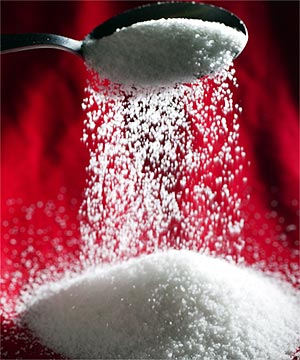
Quit Kidding Yourself, Sugar is Not OK!


Refined white sugar is particularly noxious, and by some perverse twist we have come to believe that sugar-sweetened desserts are essential to "having fun." We feed our children this devitalized food because we are socialized to expect it, (amen!) and we to provide it (not me)."  As adults, most people like to end their meals with a sugar-sweetened dessert, anything from ice cream to cake or cookies. The absence of such a dessert at an elegant dinner party would almost be a social faux pas. What is so bad about this ubiquitous substance? According to nutritionist Robert Crayhon, author of Nutrition Made Simple, sugar can:
*raise insulin levels and contribute diabetes
*raise blood pressure, cholesterol, and triglycerides and so contribute to cardiovascular disease
*contribute to gallstones and obesity
*contribute to mood swings and depression
*increase stomach acidity
*cause migraines
*weaken the immune system
*deplete the B vitamins, calcium and copper
*interfere with the absorption of calcium and magnesium - and so contribute to osteoporosis
But despite what we know about the substance British physician John Yudkin calls "sweet and dangerous" and "pure, white and deadly,"many people still feel that they might be "deprived" when they consider quitting the consumption of sugar-sweetened foods. For our long term health, thats the kind of "deprivation" that would be a good thing, just like deprivation of tobacco would be good too.
Dont worry, a little treat here and there is not going to kill you, but consuming the amount of sugar that the average person does just might! What's really sad is the kids that suffer from their parents choices. Just look around.  Despite all the info out there people just don't get it!
Get Strong! Stay Strong! (and sugar free!)
Chris

Wednesday, May 9, 2012

The Skinny on Gluten

Here is some practical info from Chris Mohrs website

Gluten is certainly all the rage.
From the ever so popular Paleo Diets, to Miley Cyrus who recently tweeted how going gluten free was her secret to weight loss success. 
The Views Elisabeth Hasselbeck has also touted the benefits (through a couple books) of eliminating gluten from her diet.
The list can go on from fitness pros to celebrities, diet docs to soccer moms.  In fact, its so popular we saw a "Gluten Free" stand when we went to the KY Derby the other day!  Yes, amidst the horses, bourbon, mint juleps and a sea full of hats a gluten free stand inside Churchill Downs.
So what is gluten anyhow? Why does it get such a bad wrap? And is it deserved or hyped up "diet secret" of the stars?
As an aside, Im knawing on a free sample bag of a gluten free cereal that came in the mail (a perk of doing what we do lots of free samples).  Unfortunately, this one tastes like stale cardboard.
I digress.
Gluten is a protein found in many carbohydrates, such as wheat, barley, and rye, among others.  Basically, most cereals, pastas, breads, and the like contain gluten.  Of course there are some gluten free alternatives to these products as well.
Lets take a step back for a minute.  There is a specific autoimmune disorder where people dont digest gluten this is called Celiac disease and it affects 5-10% of the population.
I used to work at a diabetes summer camp for kids and it was somewhat common there; celiac disease and diabetes often go hand in hand.
But outside of those with Celiac, gluten still gets a bad wrap.  Here are some of the reasons people have told me or cite for eliminating gluten:
  1. Its not digested properly
  2. It bloats them
  3. It causes weight gain
  4. It hurts recovery from training
  5. It causes joint pain
  6. Our ancestors didnt eat grains, so why should they?
Outside of the last one, 1-5 are all symptoms of a person who may have  celiac.  So the first thing a person should do is to get tested to see if they truly have gluten sensitivity. Even if the test does come back negative, however, there is still a possibility of non celiac gluten sensitivity. 
Having worked with people who have celiac in the past, when I worked at the diabetes camp, I know how challenging a true gluten insensitivity can be.  There are cases where you have you use different cooking utensils as the tiny bit of cross contamination from one pot to another or toaster to another, for example, could cause a reaction.
But those who try to eliminate gluten without a true diagnosis or sensitivity surely wouldnt have that same concern.
What I often tell people when it comes to gluten is that foods with gluten are not inherently "bad."  On the flip side, the foods that often do contain gluten may not be the best.
Eating loads of refined carbohydrates bread, cereal, pasta, muffins, pastries, etc certainly isnt great.  Please do drastically reduce these in the diet.  Its not a knock on gluten itself, but the sugar, food colorings, and other junky ingredients that are added to these (Froot Loops anyone?).
Also, what people often dont think about, is just how many foods may actually have some form of gluten in them from soy sauce to hot dogs, ketchup, beer and deli meats.  I can remember walking the aisles of a grocery store with one kid with Celiac looking or a particular brand of hot dogs that was gluten free for our cookout at summer camp.  We found them, but it was a challenge.
And beer who wants to give up beer?  Interestingly, Ive had many beers with many people who say they are not eating gluten, yet beer often has gluten (because of the barley/malt).
At the end of the day, heres our take:
  1. Gluten itself is not bad (or you dont need to give it up) unless you have a true gluten sensitivity (like celiac). 
  2. Many of the common foods that have gluten are junky processed, overly sugared garbage so toss those
  3. Gluten free doesnt necessarily mean healthy.  Ive seen and eaten gluten free cookies, hot dogs and many other similar foods.
  4. If you think you are sensitive, focus on naturally occurring gluten free grains.  These are high in fiber and loaded with great nutrients.  Heres a short list of some solid choices:
    • Amaranth
    • Buckwheat
    • Nut flours (like almond flour)
    • Coconut flour
    • Chickpea flour
    • Quinoa
Dont necessarily throw gluten under the bus.  Its currently "trendy" to do so, but simply make smarter choices, focus on high fiber grains vs. refined junky carbs, and youll be doing a great job in terms of making strides to reach your physical goals.

Get strong! Stay strong
Chris

Monday, February 27, 2012

Fill Your Pie Hole in the A.M.!


Everyone knows that breakfast is the most important meal of the day but how many of you 
actually eat it?  Breakfast literally means “break the fast”.   After going 6-8 hrs without food
the body is actually “starved” for nutrients. During sleep the body uses the available
nutrients for repair and recovery ( thats assuming it has quality nutrients in the first place).  So, when you wake up the tank is empty.  If you don’t refuel with a nutritious breakfast your body will rob your lean muscle stores to get what it needs to maintain itself.  Or has a poor supply of nutrients from eating crappy food.  This can lead to decreased strength and performance, in addition to mental and physical fatigue. It’s important that breakfast include protein, carbs, good fats and fiber.  Do your body good (it has to last a long time) and start the day off right!
Eat breakfast.  A good wholesome breakfast, not some processed garbage.
Get Strong! Stay Strong!
Chris